
Santeda Faces Court Ruling: Potential Refund of €246,500 in Player Winnings
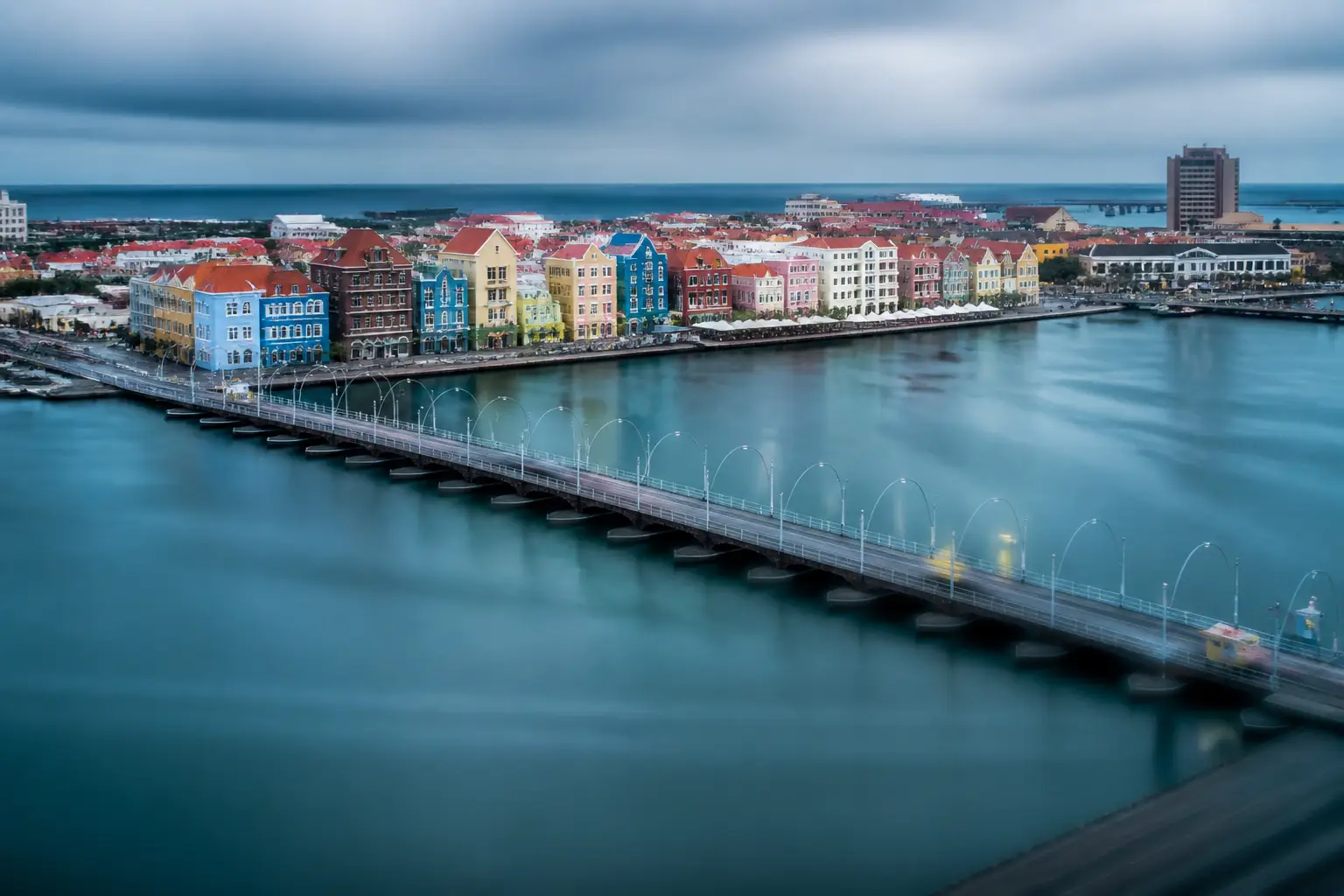
A Spanish gambler is taking illegal operator Santeda to court in Curaçao seeking a €246,500 payout after the group claimed stake limit violations.
The online gambling landscape is currently fixated on a high-stakes legal battle in Curaçao that could set a major precedent for player rights against offshore operators. Santeda, the network behind several black market sites such as MyStake, Donbet, and Goldenbet, is fighting a court order to pay back €246,500 in confiscated winnings. The case involves a Spanish player who hit the jackpot but was subsequently blocked from withdrawing his funds. The operator claimed the player violated terms and conditions by exceeding the €20 maximum stake limit during his session.
However, the court of first instance had little sympathy for this argument. The judiciary noted that it is the responsibility of the operator to implement technical safeguards. If a system allows a bet to be placed and accepted, the casino cannot later void the winnings based on a rule it failed to enforce at the point of sale. The upcoming appeal on 28 July 2026 is critical. Sources indicate the player has remained steadfast, rejecting over 60 settlement attempts from Santeda, which were often for significantly lower amounts than the initial winnings.
Numbers and facts
This specific legal battle is the final chapter of roughly 25 initial player claims against Santeda, most of which were settled for small fractions of the original debts. The Spanish claimant in this case is demanding between 72.5% and 75% of the total €246,500. Previously, a judgment on 31 March 2025 went in favor of the player, ordering Santeda to pay the full winnings plus interest, €4,500 in out-of-court recovery costs, and all legal fees.
The corporate structure of the group adds another layer of complexity. Santeda and its sister firm GTW were reportedly dissolved earlier this year, likely in response to increasing legal pressure. Despite this, the group remains the primary defendant alongside Cyberluck, the former master license holder that granted Santeda its initial sublicense in 2019. These offshore licenses are vital for such groups as they provide access to banking and payment processing systems that would otherwise be restricted.
Background
The Santeda saga is part of a broader crackdown on gray market operations using Curaçao as a base. In 2024, another prominent licensee, BC.Game, faced license revocation after refusing to pay out in a similar dispute, eventually leading to a local bankruptcy declaration. These incidents have fueled political debates, particularly in the UK, where minsters have signaled a tougher stance on white-label sponsorship deals and unlicensed sites that ignore geoblocking requirements. The transition to the new LOK gambling law in Curaçao is intended to clean up this sector, but the legacy of the sublicense system remains a headache for regulators.
"Cyberluck’s licence conditions required to give the player an option to adjust the stake or else prevent further bets if they exceeded the max stake." - Court Ruling, Curaçao Appeals Court
Why it matters for German players
For residents of Germany, this case serves as a stark reminder of the risks associated with playing at unlicenced casinos. The German State Treaty on Gambling 2021 (GlüStV 2021) was created specifically to prevent such scenarios by providing a transparent legal framework. Only operators listed on the official GGL whitelist are permitted to offer services to German citizens. These casinos are subject to strict monitoring through systems like LUGAS and OASIS, ensuring that player funds are protected and that limits, such as the €1,000 monthly deposit cap, are respected.
When a German player chooses a black market site like MyStake, they lose all domestic legal protections. Recovering money from an entity that might dissolve itself overnight or hide behind multiple offshore layers is nearly impossible for the average consumer. The Santeda case proves that these operators will go to great lengths to avoid paying large sums, often using aggressive legal tactics or minimal settlement offers. Staying within the GGL-regulated market is the only way to ensure that a win actually results in a payout.
What it means for GGL-licensed casinos
Licensed German operators can use these scandals to highlight the security and reliability of the regulated market. While offshore sites might offer higher stake limits, the lack of a legal safety net makes them a dangerous gamble. However, the GGL must also take note of the fact that these networks continue to attract players by circumventing geoblocks and offering products that bypass German regulatory restrictions. Increased enforcement against payment providers serving these sites is necessary to level the playing field for law-abiding businesses.
Sources & further reading
- Joint Gambling Authority of the German Federal States (GGL): gluecksspiel-behoerde.de
- Whitelist of permitted online operators: GGL-Whitelist
- BZgA problem-gambling helpline: 0800 1 372 700 (free, anonymous, 24/7)
- Editorial methodology: Editorial guidelines Lustich.de
 Spain
SpainGambling can be addictive. Please play responsibly. Help and counselling at 0800 1 372 700 (BZgA, free & anonymous).